
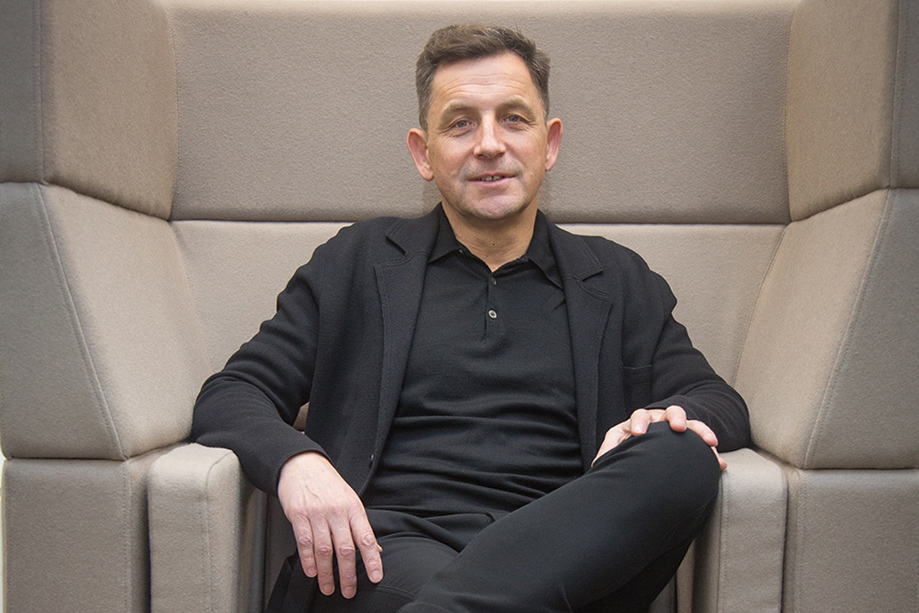
Harry Harris, MD of SUSD, has been sharing his thoughts on real estate investors’ prevailing appetite for the hospitality sector. In a recent interview he gave as part of Hotel Design’s ‘Design Pod’ series Harry shared his experiences working on some of London’s most exciting hotel and hospitality real estate ventures.
SUSD advise several Private Equity funds and has managed many major hospitality real estate assets, creating new ventures and working with leading operators on new hotels and other assets within the co-living sector. At this point in time there is built-up demand for hospitality assets, and greater liquidity within the private capital markets and hospitality real estate can provide very strong investment benchmarking.
Since the pandemic the sector has bounced back with stronger than ever performance and a recent JLL report suggests global hotel investment in 2024 is set to increase by 25% against previous 2023 totals. One of the greatest advantages investors see in hotel real estate is the combination of strong cashflow generation with the stability of an attractive built asset. Hospitality income is principally dynamic and immediately flexible, enabling operators and investors to avoid long void periods.
Harry explains that large scale projects benefit from a comprehensive business plan, some going as far as to set out a storyboard for who the perfect guest would be for the new development; what is their background, what kind of experiences are they looking for, what are their interests and how do they like to spend their money. Although the business plan may seem an obvious consideration, debt providers and investors now adopt a more sophisticated, in-depth, due diligence analysis and will vigorously stress-test the operational forecasts.
Harry believes that financial partners are now established as an integral part of the design and construction team. Experienced investors will have significant experience of successful design and successful F&B offers, as well as experience of poor performing proposals. Developers should, in Harry’s view, embrace the Funder team as a part of the development group and invite the Funder to offer their views on what experiences and programmes would be appropriate within an hospitality business proposition. Ownership should develop a plan early on ready to be tested and allowed to evolve with the input of the professional team. SUSD has seen several poor propositions fail because of having been rushed and poorly researched, without a clear understanding of the underlying customer base.
SUSD’s view of the four most important aspects in considering the business proposition for a new hospitality venture:
- What does the guest want from the experience?
- Business Plan; key performance measurements and the logic in achieving these.
- Design proposal, does the quality level meet the customer experience expectation?
- Development procurement: budgetary assumptions, programme, level of design detail achieved prior to starting construction.
In conclusion, Harry’s insights highlight the importance of a carefully crafted business proposition in the hospitality real estate sector, where understanding guest expectations, solid financial planning, and seamless collaboration between developers and investors are a key to long-term success.
As appetite for hospitality investments continues to grow, those who take the time to rigorously assess and develop their projects will be best positioned to capitalise on this expanding market.
For more in-depth thoughts from Harry on this topic, listen to the full interview on Design Pod podcast available on the Hotel Designs website here.